

Creative Direction
The idea is where the interesting work begins.
Creative direction shapes the space between what a brand wants to say and what people actually notice. That space is where the interesting questions live. What is the real idea here? What deserves attention? Where is the tension? What would make this feel specific to this brand rather than interchangeable with the next one? What can be said visually that would be difficult to express in words? We spend time in that space.
We look at the business, the audience, the category, the culture around it and the assumptions that have accumulated along the way. We pull ideas apart, make unexpected connections and look for the detail that changes the whole story. Then we build from there.
Creative direction at Philia is thinking made visible.
What We Create?
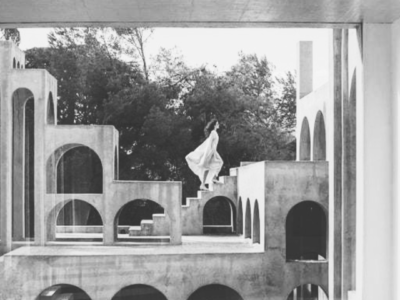
Ideas with enough substance to travel.
The strongest creative ideas rarely live in one image. They have a logic to them. A distinctive quality that can move from a campaign into content, from photography into digital, from a launch into the wider brand experience without losing what made the original idea interesting. That’s what we look for.
We develop the central creative thinking and give it enough depth to work across the places your audience encounters your brand.
Why It Matters?
The most valuable creative work changes the way people see something.
Attention is easy to manufacture. Curiosity is harder. A striking image may earn a second look. An interesting idea makes someone stay with it. That distinction matters because people rarely remember an execution in isolation. They remember the association it created with the unexpected connection, the feeling, the thought that stayed with them after they moved on.
Creative direction gives a brand the opportunity to create those associations deliberately. It can make a familiar category feel unfamiliar. It can make a complex idea immediately graspable. It can turn an ordinary proposition into something people want to know more about.
And when the creative thinking is rooted in a genuine understanding of the business, the work has somewhere to go beyond attention. It becomes part of how the brand is understood.
Our Approach
Curiosity is part of the process. We ask a lot of questions before we make creative decisions.
What is actually interesting about this business? Where is the contradiction? What does the audience already expect to see? Which conventions are useful and which ones are simply inherited? What would happen if we approached the idea from another discipline entirely? Could an architectural principle solve a communication problem? Could a cultural observation become the campaign idea? Could a small detail carry more meaning than an entire visual system?
This kind of exploration isn’t indulgence. It is how stronger ideas are found. Once the thinking is clear, the creative choices become more precise. The result feels considered because there is a reason behind what you see, what you don’t see, and how every element relates to the whole.
Clarity gives creativity somewhere interesting to go.
What We Look For
The detail that changes the idea.
Sometimes it’s a tension in the business. Sometimes it’s something the founder says without realising its significance. Sometimes it’s an overlooked part of the customer experience. Sometimes it’s a cultural reference, an unexpected material, an unusual juxtaposition or a question nobody in the category is asking. We’re interested in those things.
Because originality rarely arrives fully formed. It tends to appear when unrelated ideas are placed next to each other and someone notices that they belong together. That’s the kind of thinking we bring to the work
What You’ll Walk Away With
A creative idea with room to grow.
Depending on the engagement, this might become a campaign, a visual direction, a content system, a film, a photographic language, an experience or a combination of these.
More importantly, you’ll have the thinking that connects them. You’ll know what the creative idea is, why it matters, how it should be expressed and where it can go next. That gives everyone involved a stronger starting point including your photographer, designer, filmmaker, content team, marketing team and, ultimately, your audience.
Good creative direction gives good people better things to work with.
Case Study: Making a Hospitality Experience Worth Discovering
The Challenge
The spaces had the ingredients for a compelling hospitality experience including considered interiors, a strong sense of place and details that made the properties feel different from the usual offering. The challenge was translating that experience into something people could see and feel before they arrived.
The interiors needed refinement. The photography needed to capture more than rooms and amenities. And the digital presence needed to carry the same character, so that the experience didn’t disappear the moment someone left the property.
The Thinking
We started with the experience rather than the camera. What should someone notice when they first walk into the space? Which details give the property its character? What should a photograph make someone imagine themselves doing? Where should the eye go? And perhaps most importantly, what should someone feel before they’ve ever stayed there?
That thinking shaped everything that followed.
The Work
We worked across the physical and digital expressions of the brand, bringing the same creative thinking to each.
-
Interior Styling
Refining the spaces through composition, materials, objects, colour and small details that made the interiors feel considered without feeling over-styled. -
Photography Direction
Developing a photographic approach that captured the atmosphere of the spaces rather than simply documenting them. The focus moved beyond showing what was there to communicating what it would feel like to be there. -
Digital Representation
Translating that visual language into the website and digital experience, creating a more immersive representation of the spaces and giving potential guests a stronger sense of what awaited them.
The three worked together as one creative system. The styling created the experience. The photography captured it. And, the digital presence carried it further.
The Result
The property gained a more cohesive visual presence across its physical and digital touchpoints. The spaces felt more considered. The photography gave them atmosphere and character. And the website allowed prospective guests to experience more of that character before making a decision.
The result was not simply better-looking interiors or better photographs. The digital experience finally felt like an extension of the physical one. When the experience is worth remembering, every expression of it should tell the same story.
Illustrative case study demonstrating Philia’s approach.
Bring us the brief, the ambition, the half-formed idea. Or the thing you haven’t quite figured out yet.
We’ll start there.